do type 1 diabetics have high or low blood sugar Do non diabetics get low blood sugar
Managing blood sugar levels is a crucial factor in maintaining good health for diabetics. High or low blood sugar levels can cause significant damage to vital organs such as the heart, kidneys, and eyes, as well as to nerves, blood vessels, and the immune system. Fortunately, blood sugar levels can be managed effectively with a combination of lifestyle modifications, medication, and regular monitoring.
Understanding Blood Sugar Levels
Blood sugar levels are measured in milligrams of glucose per deciliter (mg/dL) of blood. Normal blood sugar levels range between 70-99 mg/dL when fasting and below 140 mg/dL in two hours after eating. Levels above these ranges can indicate prediabetes or diabetes.
Diabetes is a chronic condition in which the body cannot produce or effectively use insulin, a hormone that regulates blood sugar levels. A blood sugar chart like the one illustrated here is a useful tool for monitoring and managing blood sugar levels over time.
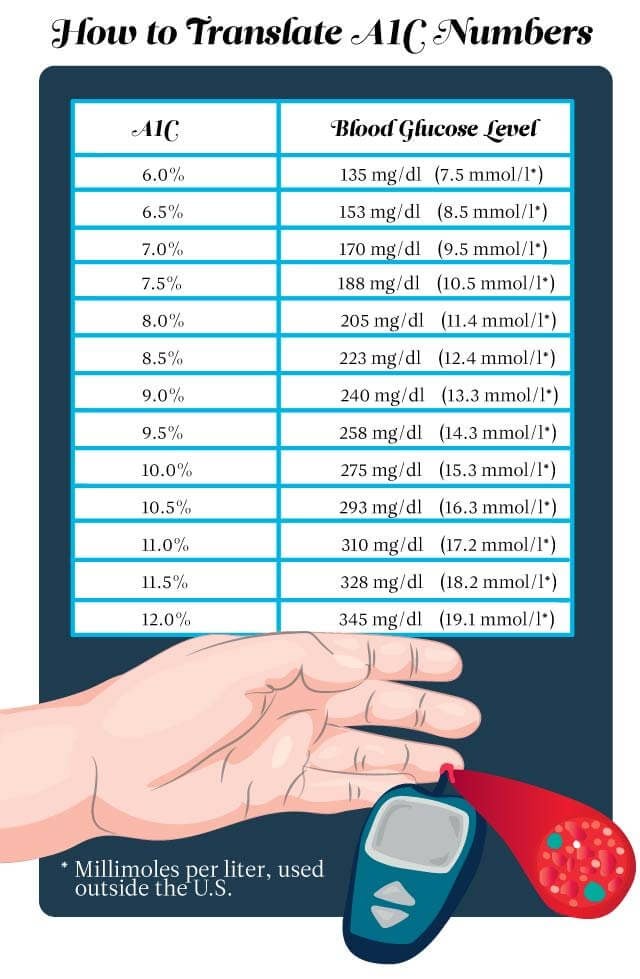 Treating High Blood Sugar in Diabetics
High blood sugar can cause several symptoms such as frequent urination, increased thirst, and fatigue. It can also lead to long-term complications such as nerve damage, eye damage, and heart disease.
When blood sugar levels are consistently high, it is essential to seek medical attention. Medication, lifestyle changes like a healthy diet and exercise, and managing stress can help control blood sugar levels.
Lowering blood sugar levels starts with knowing your levels. If you have diabetes, monitoring your levels regularly will help you identify when your blood sugar levels are high so that you can manage them appropriately. Lifestyle changes, including healthy eating, physical activity, and stress reduction, can also help lower blood sugar levels.
 However, lifestyle changes alone may not be enough to manage blood sugar levels in some cases. In such cases, medication, like oral medications and insulin injections, may be required to keep blood sugar levels within a safe range.
People with diabetes should work closely with their healthcare team to develop a plan that incorporates regular monitoring of blood sugar levels, lifestyle changes, and medication, if necessary.
Conclusion
Managing blood sugar levels is essential for people with diabetes to prevent complications. Regular monitoring of blood sugar levels along with lifestyle changes like a healthy diet, exercise, and stress reduction can help control blood sugar levels effectively. If blood sugar levels remain consistently high, it is essential to seek medical attention to lower them adequately.
If you are searching about Pin on Diabetic Tips you’ve visit to the right place. We have 5 Images about Pin on Diabetic Tips like Do Non Diabetics Get Low Blood Sugar - DiabetesWalls, Pin on Diabetic Tips and also Pin on Diabetic Tips. Read more:
Pin On Diabetic Tips
 www.pinterest.comDo Non Diabetics Get Low Blood Sugar - DiabetesWalls
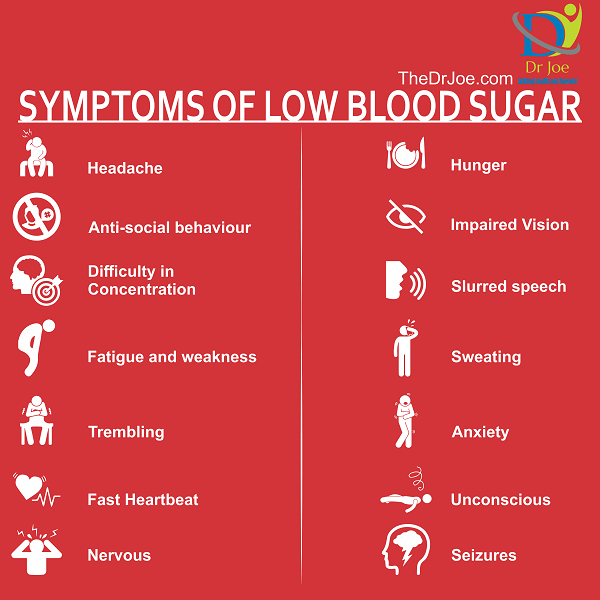 diabeteswalls.blogspot.comhypoglycemia symptoms diabetics
Pin On Diabetes Type 1
 www.pinterest.comhypoglycemia glucose critical mellitus readings
Lowering Blood Sugar: How To Treat High Blood Sugar In Diabetics
loweringbloodsugartop.blogspot.comThe Only Blood Sugar Chart You’ll Ever Need | Reader’s Digest
www.rd.comblood sugar chart glucose levels normal fasting diabetes diabetics table only level non need ll after charts hours low dl
Blood sugar chart glucose levels normal fasting diabetes diabetics table only level non need ll after charts hours low dl. Pin on diabetes type 1. Pin on diabetic tips